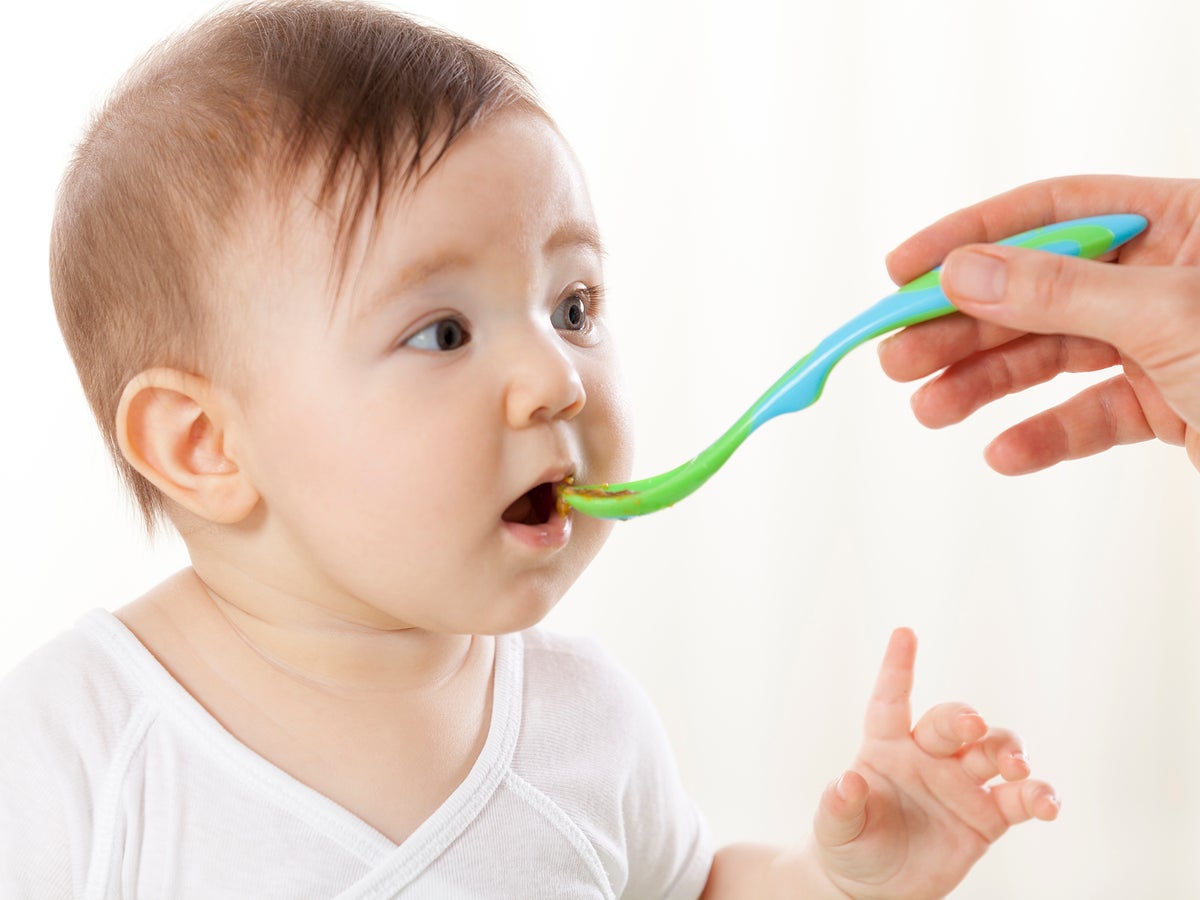
Gluten-containing foods should be introduced gradually when a child is around 6 months old and the situation carefully monitored. Adults or children should be tested if they have the following signs or symptoms.

Failure To Gain Weight In Babies Babycenter
Coeliac disease CD is a chronic autoimmune condition that develops in genetically susceptible individuals and has a reported prevalence of around 1 While the disease is characterized by a small intestinal enteropathy the manifestations are broad and can involve both the gastrointestinal intestinal tract and distinct extra-intestinal sites.

. Children may also have delayed puberty. Symptoms of Celiac Disease in Children. If youve coeliac disease you shouldnt introduce gluten into your babys diet before its 6 months old.
Celiac disease can affect all races and genders. In non-classical celiac disease patients may have mild gastrointestinal symptoms without clear signs of malabsorption or may have seemingly unrelated symptoms. Celiac disease can develop at any age after people start eating foods or medicines that contain gluten.
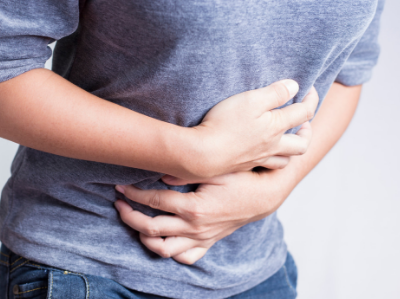
Celiac disease reproductive health heartbreak. Symptoms include diarrhoea constipation and other gut symptoms faltering growth or a change in growth pattern irritability and a bloated tummy. Identifying celiac disease in children can be difficult as irritability is one of the most common symptoms for kids.
Celiac disease may develop any time after wheat or other gluten containing foods are introduced into the diet typically after 6-9 months of age. If you have coeliac disease Coeliac UK recommends foods containing gluten are introduced gradually when a child is 6 months old. Additionally only 20-30 of kids with celiac disease will have stomach symptoms.
The Coeliac UK website provides more information about feeding your baby. In classical celiac disease patients have signs and symptoms of malabsorption including diarrhea steatorrhea pale foul-smelling fatty stools and weight loss or growth failure in children. New guidelines for feeding infants at risk of celiac disease.
Antibiotics during first year of life may increase celiac disease risk. Feeding your baby. Coeliac disease affects one in 100 children in the UK.
Coeliac disease is most frequently diagnosed in. Its an autoimmune condition where the immune system mistakes healthy cells and substances for harmful ones and produces antibodies against them antibodies usually fight off bacteria and viruses. Consider coeliac disease in children with both classic gastrointestinal symptoms variable bowel habit abdominal pain and non-classic presentations such as impaired growth tiredness anaemia Have a low threshold for investigation of symptomatic children and screening for those with associated conditions such as type 1.
Symptoms of celiac disease in infants and toddlers include. Coeliac disease is caused by an abnormal immune system reaction to the protein gluten which is found in foods such as bread pasta cereals and biscuits. Coeliac disease CD is a common autoimmune mediated gluten sensitive enteropathy with a reported pooled prevalence of 07 based on biopsy confirmation and 14 based on serology.
Extra half slice of bread a day may increase chance of celiac disease in at-risk children. Celiac disease is genetic. What you need to know.
It is very important to test your child at the very first signs or if celiac disease runs in your family. It stops your body from taking in nutrients from food. People with a first-degree relative with celiac disease parent child sibling have a 1 in 10 risk of developing celiac disease.
It is not known why the immune system of some people becomes sensitive to gluten. Coeliac disease can develop in babies. Malnutrition in children can result in failure to grow at the expected rate both in terms of height and weight.
In undiagnosed untreated coeliac disease there is a greater risk of complications including. Older children or adults who have not previously had problems may also become gluten-sensitive at some point in their lives and develop coeliac disease. It may develop after weaning onto cereals that contain gluten in old age or any time in between.
Failure to thrive including a failure to gain weight or even weight loss swollen stomach diarrhea constipation irritability fatigue. Celiac disease is hereditary meaning that it runs in families. Symptoms of celiac disease vary from person to person and can begin at any age.
1 While initially thought to be a diagnosis predominantly of children in a European population it is now known that CD can affect any age commonly diagnosed between the 4th and 6th decade. Ad Learn more about the signs that may reveal you have an Issue that need attention. An itchy rash dermatitis herpetiformis problems getting pregnant infertility nerve damage peripheral neuropathy disorders that affect co-ordination balance and speech ataxia Children with coeliac disease may not grow at the expected rate and may have delayed puberty.
If a family member has celiac disease your child has a higher likelihood of developing it. If coeliac disease is not treated not being able to digest food in the normal way could cause you to become malnourished leading to tiredness and a lack of energy. Coeliac disease can develop and be diagnosed at any age.
Breast milk is naturally gluten-free and all infant milk formulas are too. It is unknown why some children become ill early in life and others fall ill only after years of exposure. Only children get coeliac disease.
Key Points About Celiac Disease in Children. This should be carefully monitored. Celiac disease is a digestive problem that hurts your small intestine.
Persistent unexplained gastrointestinal symptoms such as feeling sick and being sick faltering growth prolonged fatigue feeling tired all the time unexpected weight loss severe or persistent mouth ulcers unexplained. Most children are undiagnosed and dont get diagnosed until later in life.

B7usjakgfmpuvm

Coeliac Disease In Children Bbc Good Food
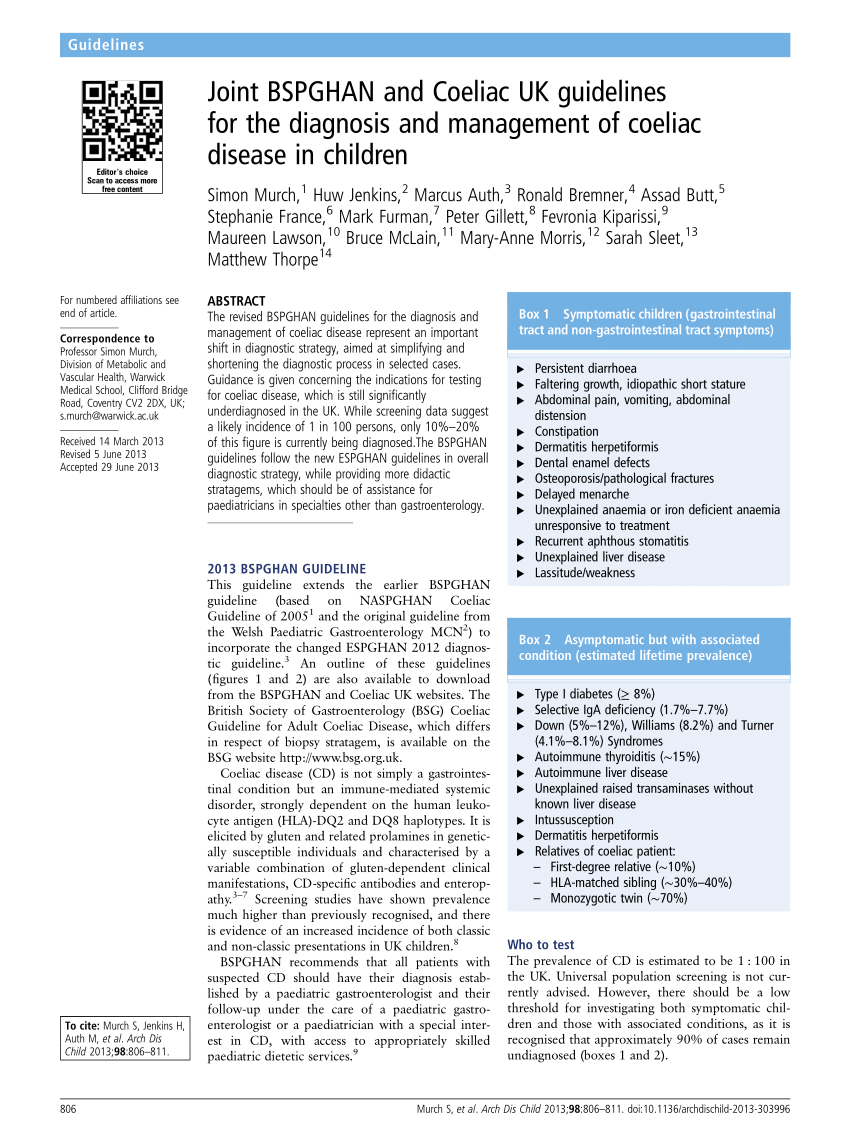
Pdf Joint Bspghan And Coeliac Uk Guidelines For The Diagnosis And Management Of Coeliac Disease In Children
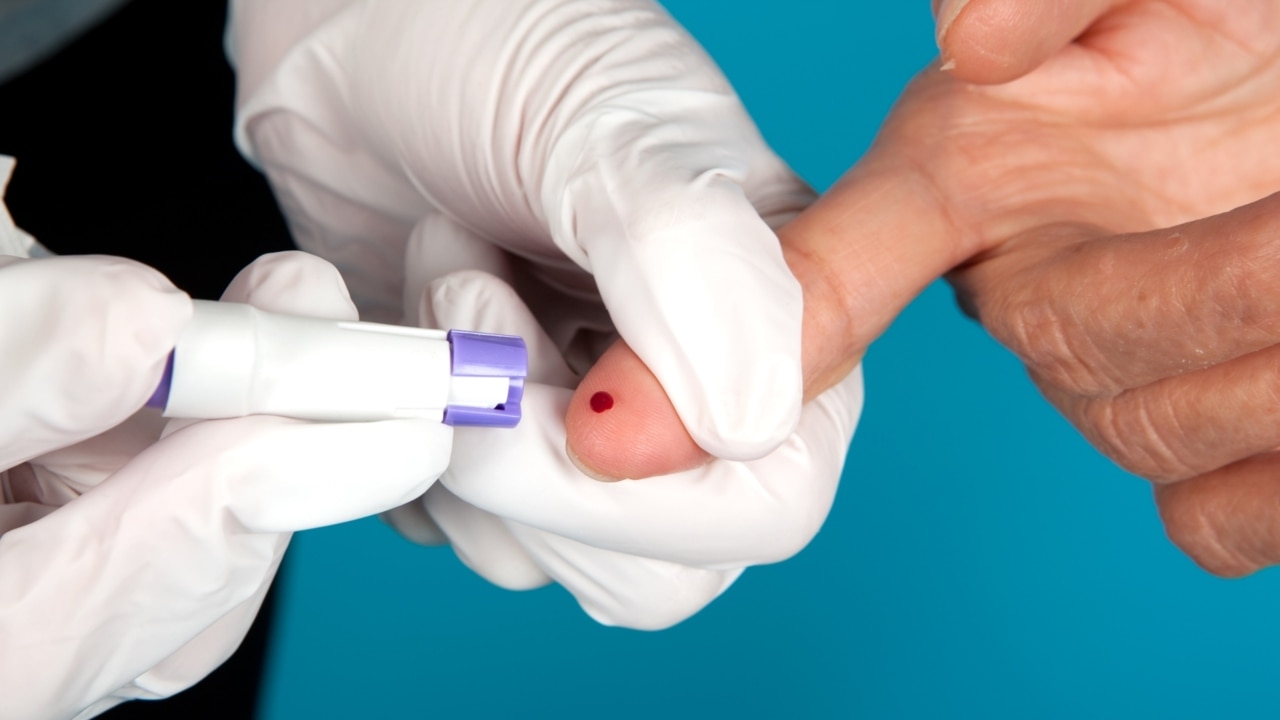
Coeliac Disease In Babies Infant Struggled With Diarrhoea And Vomiting Kidspot
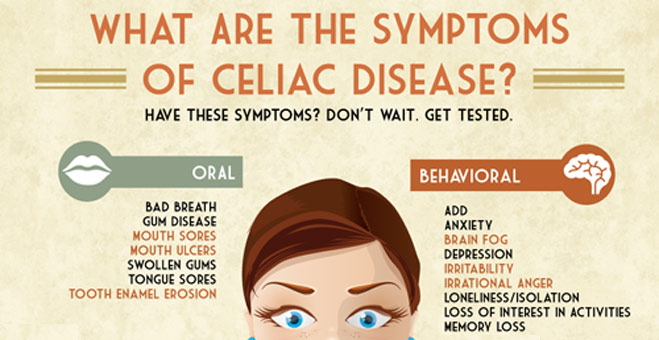
Celiac Disease Symptoms A Free Infographic

Coeliac Disease Symptoms Treatment And Complications

Hemorrhagic Disease Of The Newborn

Doctors Once Thought Bananas Cured Celiac Disease They Saved Kids Lives At A Cost The Salt Npr
New Guidelines For Feeding Infants At Risk For Celiac Disease Beyondceliac Org

Coeliac Disease In Kids Aili S Story Kiddycharts

Should I Avoid Gluten In My Baby S First Foods Babycentre Uk

Signs Your Child Has Celiac Disease Cleveland Clinic
Am I Coeliac The Symptoms To Look Out For If Your Body Can T Handle Gluten And Why You Should Never Ignore Them The Independent The Independent
Should You Be Worried About The Arsenic In Your Baby Food The Independent The Independent

Coeliac Disease Health Information Bupa Uk

Does Early Weaning Cause Crohn S Disease Allergies And Other Gut Issues A Balanced Belly
Coeliac Disease Symptoms Coeliac Uk
Buckinghamshire Mother S Relief After Son Diagnosed As Coeliac Bbc News

Does Early Weaning Cause Crohn S Disease Allergies And Other Gut Issues A Balanced Belly
